Introduction
When embarking on a building task, whether it's constructing a home, a business framework, or even a simple shed, the groundwork you lay prior to the very first block is crucial. This stage, commonly referred to as "dirt work," involves different tasks that prepare your land for construction. From forestry mulching and bush hogging to grading and leveling, understanding these processes can conserve time and money while guaranteeing your task begins on solid ground.
In this extensive http://charliehbki083.timeforchangecounselling.com/forestry-mulching-as-a-device-versus-invasive-species overview, we'll look into the essentials of dirt work. We'll explore methods like land clearing and excavation, discuss the tools involved-- like excavators and skid steers-- and give insights right into ideal methods for successful land preparation. By the end of this short article, you'll have a solid understanding of what it requires to obtain your land all set for construction.
Dirt Job Fundamentals: Preparing Your Land for Construction
Dirt work encompasses all activities associated with preparing the soil and landscape for constructing jobs. It's not nearly moving dust; it involves preparation, accuracy, and an understanding of the website's attributes. Whether you're dealing with dense underbrush or unequal surface, understanding how to navigate these obstacles is vital.
Understanding Your Site: The Very First Step in Dirt Work
Before kicking off any type of dirt work task, it is very important to perform a comprehensive website evaluation. This consists of assessing:
- Soil Composition: Is it clay-heavy or sandy? The kind of soil affects water drainage and stability. Topography: Exist hills or clinical depressions? Grading might be necessary. Vegetation: Will forestry mulching or bush hogging be called for to clean out underbrush?
Having this information aids you identify what tools you'll need and what steps you ought to take.
Forestry Mulching: Clearing Dense Greenery Efficiently
What is Forestry Mulching?
Forestry mulching is a land-clearing approach that uses specialized equipment furnished with turning drum-like teeth to grind up trees and brush into compost. This procedure reduces dirt disturbance while successfully getting rid of vegetation.
Benefits of Forestry Mulching
Minimal Dirt Interruption: Unlike conventional clearing approaches that uproot plants, forestry mulching leaves origin systems intact. Erosion Control: The compost created helps keep dampness in the soil and protects against erosion. Cost-Effectiveness: It lowers disposal prices related to hauling away debris.When Ought to You Use Forestry Mulching?
If you're servicing greatly wooded locations where conventional clearing would certainly be labor-intensive and expensive, forestry mulching is your go-to solution.
Bush Hogging: A Versatile Land Clearing Method
What is Shrub Hogging?
Bush hogging describes making use of a rotating cutter (frequently connected to a tractor) to clear disordered fields or brushland. It's suitable for cutting down high turf, weeds, and little shrubs.
Benefits of Bush Hogging
Speed: Bush hogging is relatively quick contrasted to hands-on clearing up methods. Versatility: It can manage different greenery types, making it suitable for various terrains. Accessibility: With correct tools, bush hogging can reach locations that may be challenging to gain access to otherwise.When Needs to You Use Bush Hogging?
This method works best when you have big open areas filled with dense lawn or smaller scrubs that require reducing prior to other dirt work can commence.
Land Clearing: Establishing the Stage for Construction
Land clearing involves getting rid of all challenges from your building website-- trees, stumps, rocks, and brush-- developing an open location prepared for building and construction activities.
Steps in Efficient Land Clearing
Survey the Area: Recognize what needs elimination based upon your building and construction plans. Select Appropriate Devices: Depending on the scale of clearing required-- outside shrubs might need bush hogging while bigger trees require much heavier equipment like excavators. Execute Clearance: Use suitable techniques (forestry mulching vs conventional chainsaw cutting) based on plants density.Excavator: The Foundation of Dirt Work
Why Pick an Excavator?
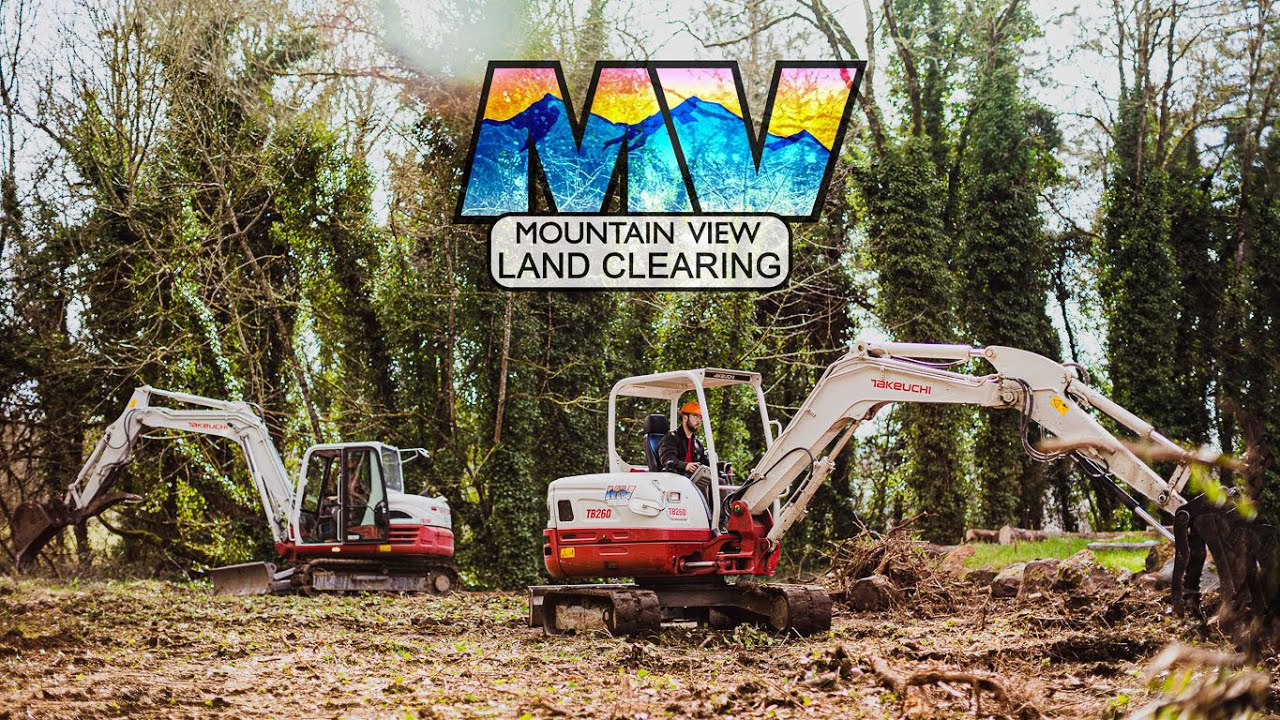
An excavator is among the most functional equipments utilized in dirt work. Known for its long arm and pail add-on capabilities, it succeeds at excavating trenches and moving huge amounts of planet quickly.
Key Features of an Excavator
- Digging foundations Removing stumps Grading surfaces Lifting heavy materials
Skid Steer: A Portable Powerhouse
What Makes Skid Steers Unique?
A skid steer loader is portable yet effective; its maneuverability makes it ideal for limited areas where larger devices can not fit.
Applications of Skid Steers
Grading little areas Loading materials onto trucks Landscaping tasksGrading: Producing Degree Surfaces
Grading involves leveling your land to guarantee proper water drainage and stability prior to construction begins.
Types of Grading
Rough grading: First leveling done prior to thorough shaping. Fine grading: Final adjustments made after harsh grading; makes sure surfaces are smooth enough for concrete puts or paving.Leveling Techniques That Make sure Stability
Leveling techniques are critical in stopping future settling issues within structures built on uneven terrain.

Tools Used in Leveling
- Laser levels String lines Transit levels
The Value of Drainage Planning
Proper water drainage protects against water build-up around structures which can cause structural damages over time.
Factors Affecting Drainage Design
Soil type Slope gradients Vegetative coverFAQ Section
1. What equipment do I need for dirt work?
You usually need excavators, skid guides, bulldozers, unload vehicles, and specific accessories like rotary cutters or containers depending on your job scope.
2. How long does land clearing take?
It varies based upon site dimension and plants density yet normally ranges from one day to a number of weeks.
3. Can I do dirt work myself?
While some jobs are workable without professional assistance (like small bush hogging), significant excavation or grading generally calls for professional expertise because of safety issues and governing compliance.
4. How much does dirt work cost?
Costs depend upon task complexity yet normally range from $500 - $5,000+, with aspects consisting of labor rates and devices rental fees influencing complete expenses.
5. Do I require authorizations for land clearing?
Yes! Neighborhood regulations often require authorizations before undertaking large land changes; get in touch with regional authorities beforehand!
6. What if my site has drain issues?
Addressing drain issues early in preparation stages will certainly save frustrations later on! Take into consideration hiring professionals that concentrate on drainage remedies tailored especially to your project's needs.
Conclusion
In conclusion, preparing your land via efficient dirt work techniques lays a strong structure for any type of building task you carry out-- actually! Comprehending important processes such as forestry mulching, bush hogging, excavation techniques using skid guides & & excavators along with appropriate grading techniques will certainly make sure success from start-to-finish while minimizing potential mistakes along method-- consisting of budget plan overruns & & architectural failings due poor planning!
By complying with these guidelines detailed throughout our exploration into "Dirt Work Essentials: Preparing Your Land for Building and construction," you're fully equipped with expertise essential transform raw land right into build-ready region showing both quality craftsmanship & & sustainable growth concepts valued by contemporary contractors today!