The method of land administration has developed substantially for many years, with numerous methods arising to take care of vegetation and land clearing. Amongst these, forestry mulching has gained traction as a lasting alternative to burning. As problems over ecological influences, air top quality, and environment wellness expand, landowners and companies that clear land are checking out much better methods. This short article studies the benefits and downsides of forestry mulching as a viable option for land clearing services.
Introduction
In recent years, the subject of land monitoring has actually ended up being significantly essential due to climate modification and its linked challenges. Conventional approaches like shedding have long been made use of for getting rid of land; nonetheless, they come with a host of environmental problems. Get in forestry mulching-- a technique that not only gets rid of land effectively but additionally boosts dirt health and wellness and reduces unfavorable influence on the bordering environment.
What is Forestry Mulching?
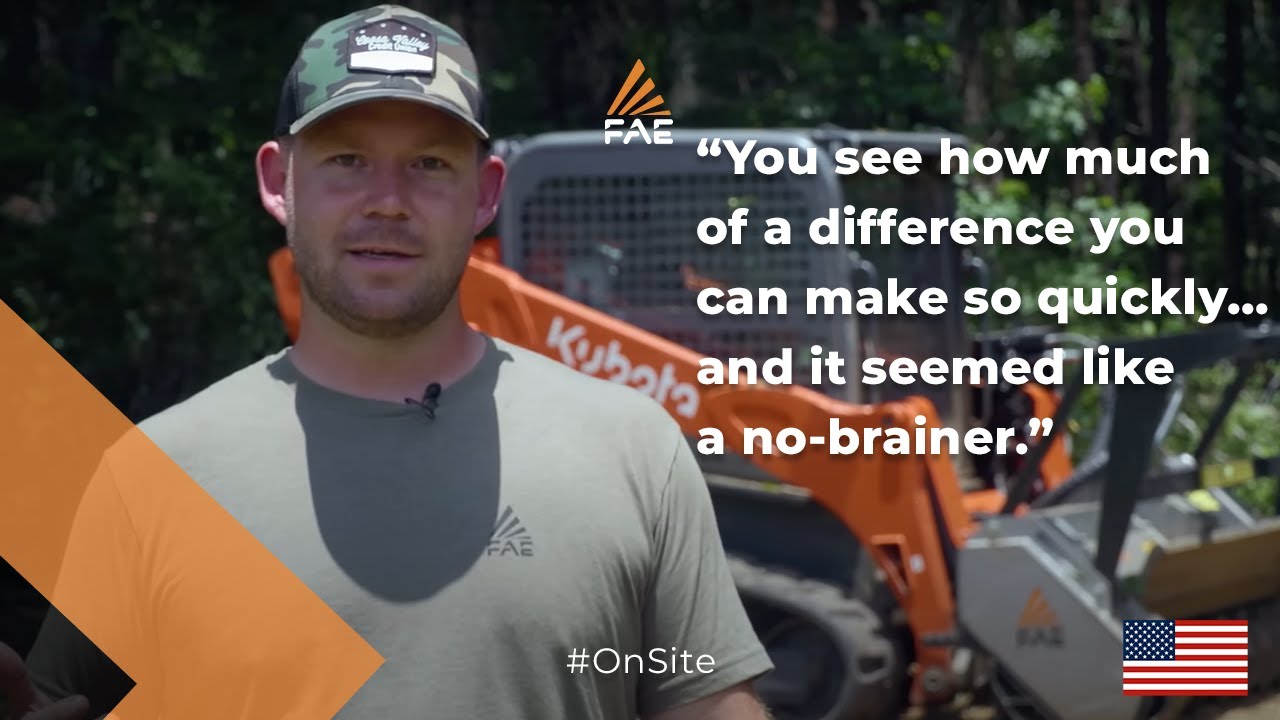
Forestry mulching entails utilizing specialized equipment to grind down trees, brush, and other plants right into compost. This procedure leaves a layer of natural product that can assist enhance the soil while stopping erosion and advertising biodiversity. Unlike burning, which releases carbon dioxide and particulates right into the environment, forestry mulching uses a more earth-friendly solution.
The Relevance of Land Clearing Services
Land clearing up solutions play an essential function in agricultural growth, metropolitan planning, and forest monitoring. As populations expand and city locations increase, the demand for efficient land management ends up being vital. Companies that clear land must evaluate their choices meticulously to ensure they pick approaches that align with sustainability objectives while still achieving their functional objectives.
Forestry Mulching vs. Burning: An Overview
When comparing forestry mulching to conventional burning techniques for land clearing, it's necessary to think about several variables-- consisting of cost, effectiveness, ecological effect, and long-lasting sustainability.
Pros of Forestry Mulching
1. Environmentally Friendly Approach
One of one of the most significant advantages of forestry mulching is its marginal impact on the atmosphere contrasted to burning. While burning releases harmful discharges into the atmosphere-- adding to air contamination and environment change-- mulching minimizes these risks by reusing biomass back right into the ecosystem.

2. Dirt Wellness Improvement
The mulch generated during https://www.zupyak.com/p/4364855/t/dirt-work-solutions-for-uneven-terrain-on-residential-residences forestry clearing serves as a natural plant food when decayed. This procedure helps boost dirt structure by improving dampness retention while giving nutrients vital for plant growth.
3. Disintegration Prevention
Mulch created with forestry mulching can successfully protect against soil disintegration by functioning as a safety barrier against wind and water runoff. This is particularly essential in sloping or sloped terrains where erosion can promptly become an issue.
4. Cost-Effectiveness Over Time
While preliminary expenses may appear higher than standard burning techniques, forestry mulching can be extra economical over time because of reduced site repair demands and enhanced dirt health outcomes.
5. Environment Preservation
By preserving some greenery instead of totally eliminating it through burning or clear-cutting approaches, forestry mulching aids preserve environments for various types-- promoting biodiversity within an ecosystem.
6. Reduced Fire Hazards
Forest monitoring frequently involves reducing excess brush or copse that might sustain wildfires; by changing burning with forestry mulching, you get rid of fire threats without releasing harmful smoke into the air.
Cons of Forestry Mulching
1. Equipment Costs
One disadvantage is that investing in specific devices for forestry mulching can be pricey upfront for companies providing land clearing services-- especially smaller operations that could not have accessibility to significant capital.
2. Minimal Applicability in Some Surface Types
In specific atmospheres-- such as marshes or locations with hard access-- forestry mulching may not be feasible without running the risk of further damage or difficulties from heavy equipment use.
3. Prospective Dirt Compaction Risks
If not performed properly or if machinery is extremely hefty for delicate soils, there's capacity for dirt compaction-- which can negatively influence future growing efforts.
4. Need for Experienced Operators
Effective execution needs experienced drivers accustomed to both equipment operation and eco-friendly factors to consider-- a difficulty in areas where training resources may be limited.
5. First Landscape Alteration Concerns
For some individuals accustomed to conventional landscape appearances (like open fields), presenting compost layers can change visual appeal briefly till all-natural processes return equilibrium back right into view.
Forestry Mulching vs Burning: A Comparative Analysis
|Elements|Forestry Mulching|Burning|| -----------------------|-------------------------------------------|------------------------------------------|| Environmental Impact|Minimal emissions; advertises biodiversity|High exhausts; diminishes oxygen|| Soil Wellness|Boosts nutrients; enhances structure|Deteriorates topsoil|| Erosion Control|Lowers disintegration danger|May worsen disintegration|| Price|Greater ahead of time however savings in time|Lower first price|| Environment Protection|Preserves wildlife habitats|Ruins habitats|
Forestry Mulching as an Alternate to Burning: Benefits And Drawbacks Described Further
As we dive deeper right into this topic of "Forestry Mulching as an Alternate to Burning: Benefits And Drawbacks," it is essential to highlight just how these 2 approaches vary basically-- not simply in regards to strategy however additionally regarding their ramifications on our earth's health.
Burning often leaves ash residue which eventually damages down yet does not add positively towards nutrient cycling within ecological communities right away complying with activity completion; conversely-- with mulch left undamaged-- the disintegration process actively adds value back into soils with time leading towards healthier landscapes!
Furthermore-- when thinking about habitat preservation-- it's essential we recognize how wild animals connects with communities post-clearing procedures! For instance: numerous creatures rely on particular types/amounts foliage cover offered naturally by native plants-- we should ask ourselves whether we're doing sufficient shielding such fragile balances kept across landscapes?
In final thought-- it comes to be noticeable why attentively choosing methods like "forestry mulching" permits us better possibilities cultivating lasting practices ensuring lasting practicality maintaining healthy ecological communities alongside human advancement efforts!
FAQs
1. What is forest clearing? Forest cleaning describes the removal of trees and greenery from an area typically for farming use or development purposes.
2. Exactly how does forestry mulching work? Forestry mulchers use heavy-duty equipment geared up with specialized blades that erode trees and brush right into great mulch without requiring whole removal.
3. Is forestry mulching eco friendly? Yes! Compared to burning which launches dangerous discharges right into our ambience-- forestry mulchers advertise ecological wellness through nutrient recycling.
4. Can I do my own forestry clearance? While some individuals may try do it yourself techniques utilizing consumer-level tools-- it's a good idea appealing professionals experienced within commercial-grade tools ensures effectiveness without damaging bordering ecosystems.
5. What are some companies that clear land making use of innovative techniques? Numerous reputable firms concentrate on lasting methods including those concentrated on ingenious innovations such as airborne studies combined with efficient ground-based solutions!
6. What are additional benefits beyond those currently mentioned? Fringe benefits consist of boosted property appearances through all-natural landscape design layouts made possible using cautious maintenance incorporating organic products left behind after procedures complete!
Conclusion
Navigating the complexities surrounding land clearing requires thoughtful consideration in between immediate results versus lasting repercussions affecting our atmosphere generally! The discussion focused around "Forestry Mulching as an Alternate to Burning: Pros And Cons" highlights crucial conversations needed engage areas focusing on sustainability relocating forward!
By embracing practices rooted firmly within eco-conscious structures like reliable use existing resources available today-- we foster healthier relationships in between nature & & humankind guaranteeing future generations inherit thriving communities capable sustaining varied life kinds existing harmoniously together!
This in-depth exploration highlights both sides of using forestry mulching versus standard burning techniques while supplying useful insights targeted at enhancing understanding throughout different stakeholders involved within these fields!